
Blog · Mulch advice
Mulch Blog
Costs, mulch types, coverage math and timing — written by the crew that does the work, for Atlanta homeowners deciding what to do about their beds.
Latest
Articles
No filler and no recycled listicles. These are the questions we get asked on estimates often enough that it was worth writing the answers down properly.
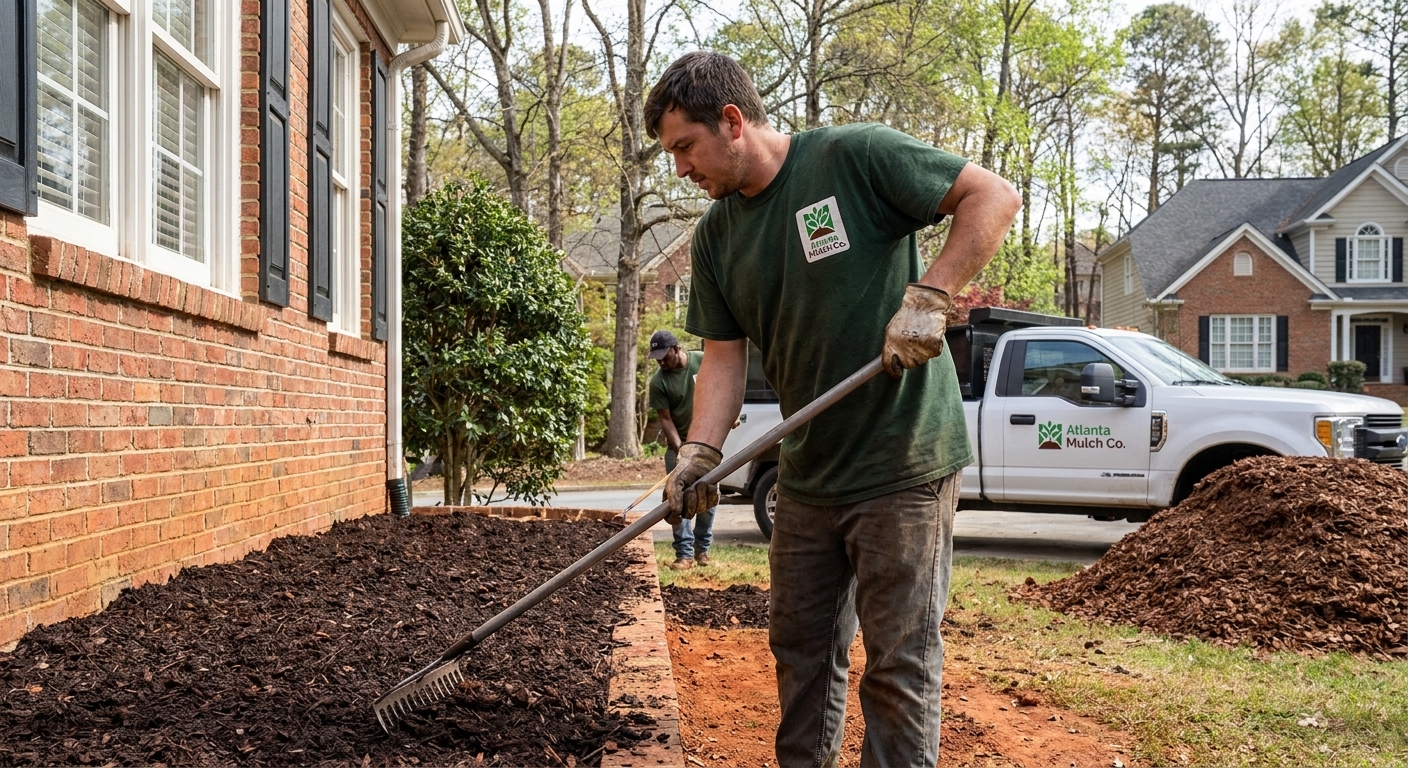
How Much Does Mulch Cost in Atlanta, GA?
Real per-yard and per-bag mulch prices for metro Atlanta, plus the five things that actually move your number.
Read article →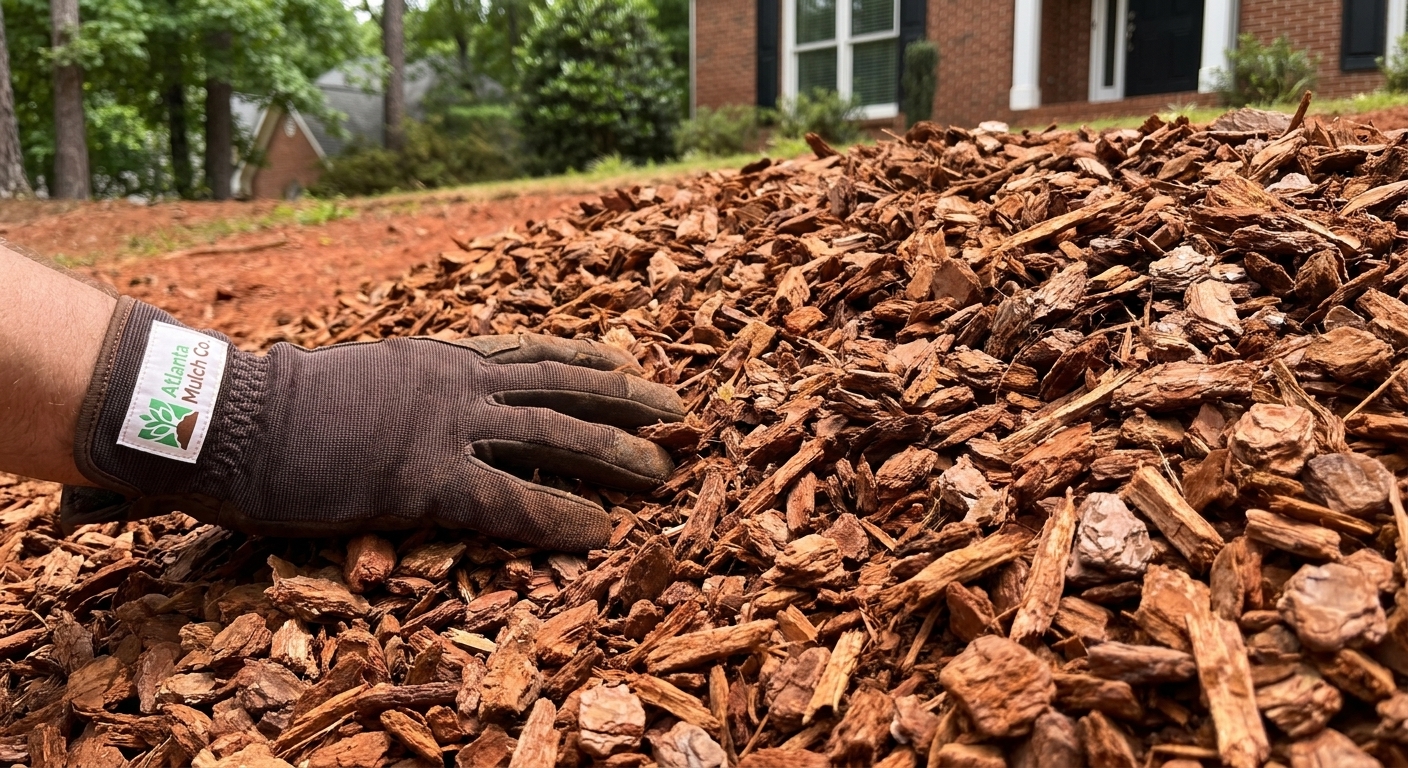
The Best Mulch Type for Georgia Red Clay
Pine bark vs. hardwood vs. pine straw vs. dyed mulch — where each one earns its cost on Atlanta’s clay soil.
Read article →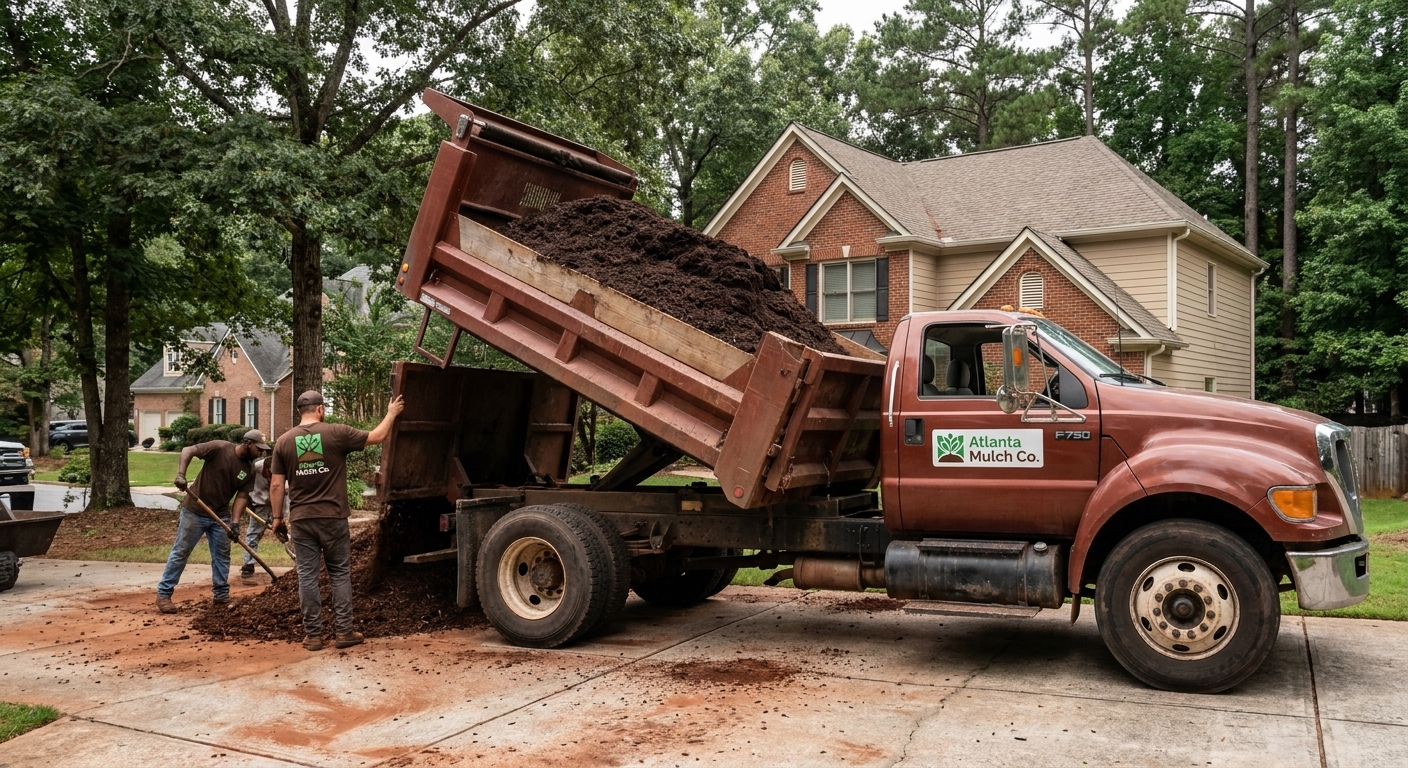
How Much Mulch Do I Need? A Simple Coverage Guide
The exact math for cubic yards, bags and depth so you order the right amount the first time.
Read article →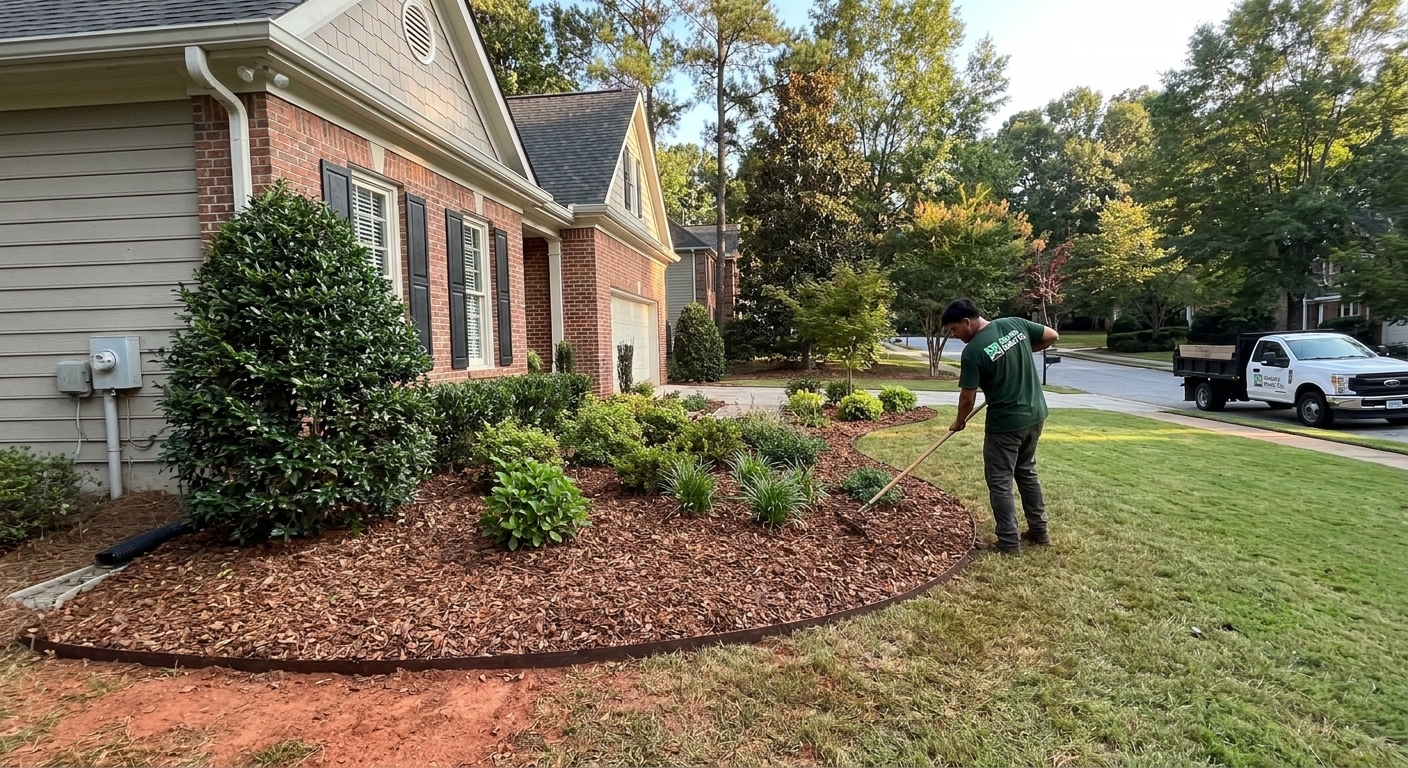
When Should You Mulch in Georgia?
Atlanta’s freeze-thaw springs and humid summers rewrite the mulching calendar. Here is the schedule that actually works here.
Read article →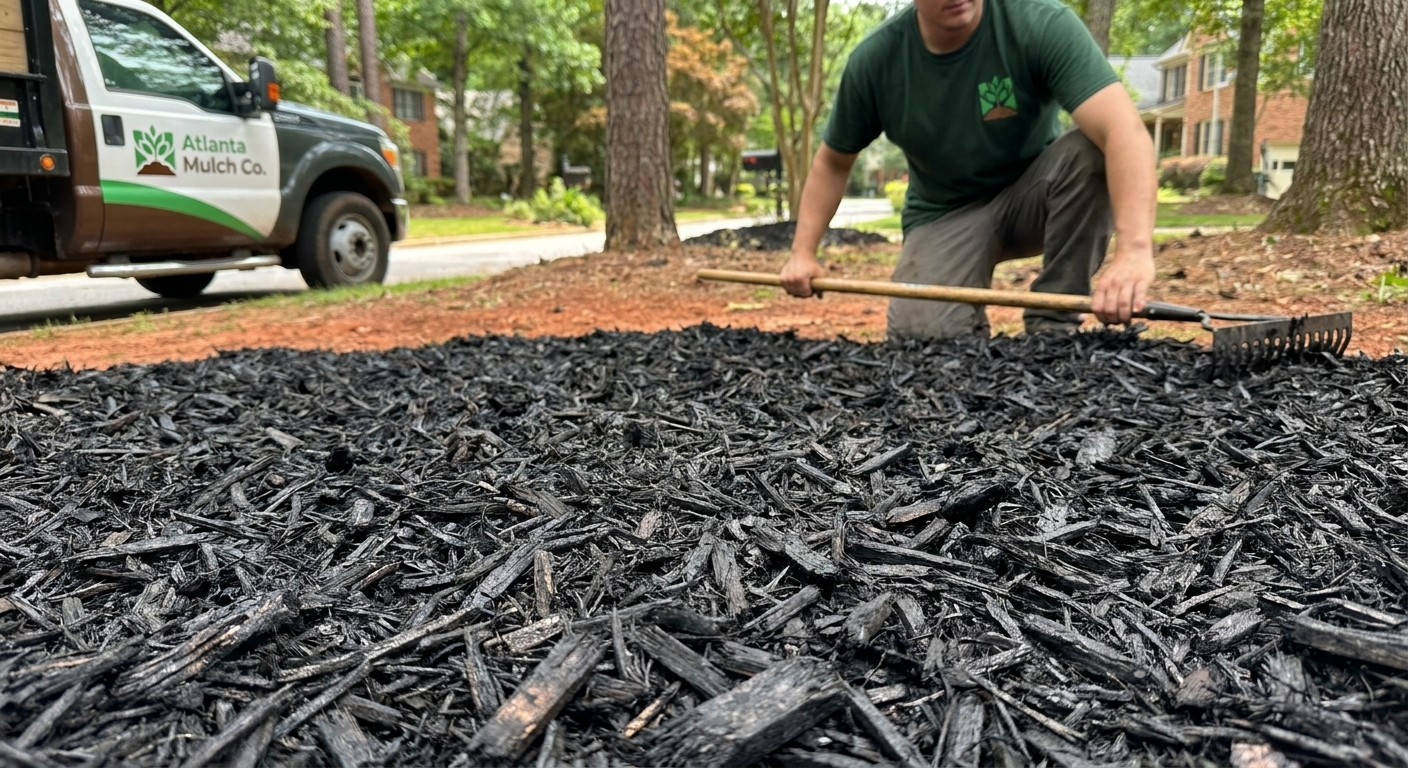
Dyed Mulch vs. Natural Mulch: What’s the Difference?
How colorants are made, whether they are safe for pets and plants, and which one actually holds color longer in Georgia sun.
Read article →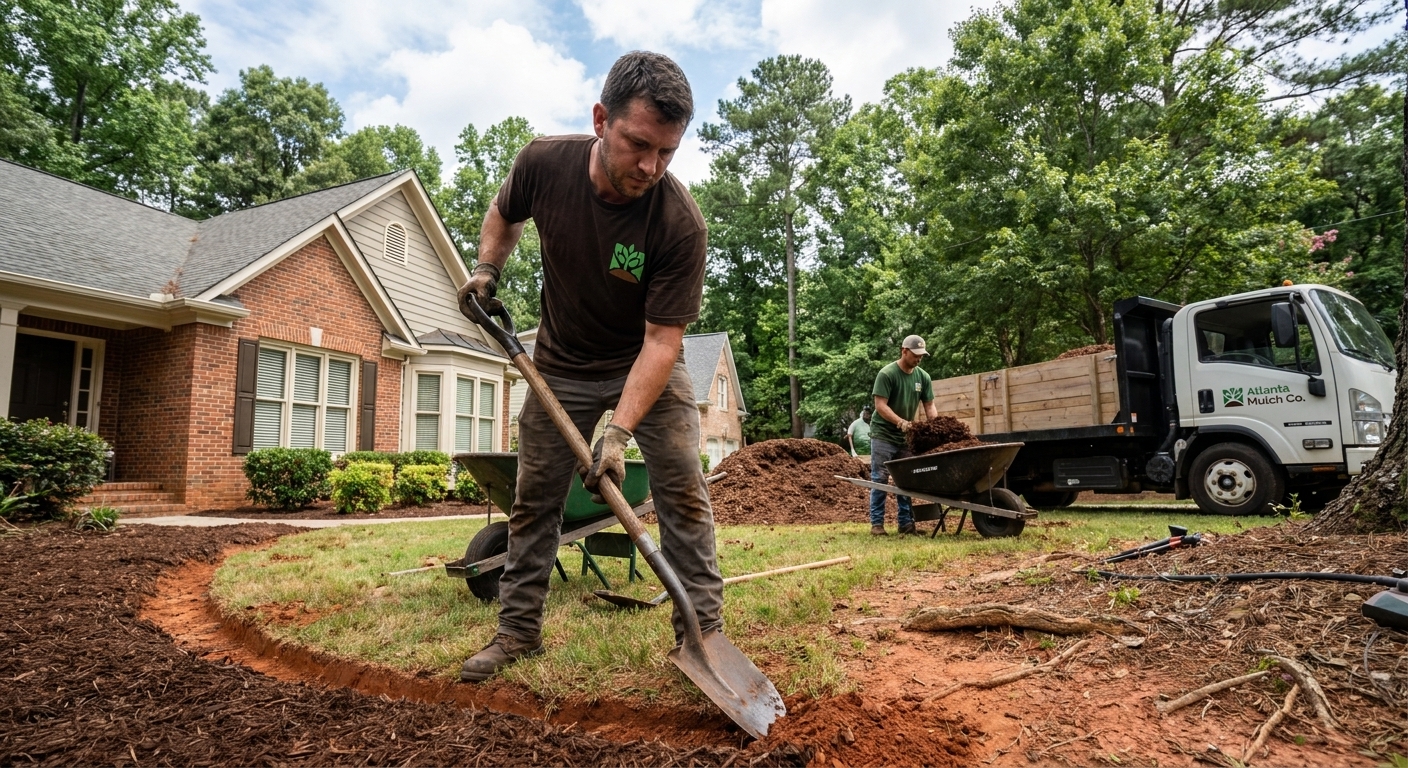
The Mulch Volcano Mistake (And How to Fix It)
Why piling mulch against a tree trunk kills it slowly, and the right way to mulch around trees and shrubs.
Read article →Why we write these
Mulch work is one of those trades where homeowners have almost no way to judge a quote. You have no idea whether $600 for a bed refresh is fair, whether you actually need dyed mulch over natural pine bark, or whether the person telling you a bed needs full removal is being honest or upselling. That information gap is where people get taken advantage of.
So we publish the numbers. What mulch actually costs in Atlanta, which mulch type is worth paying more for on Georgia clay, and why piling mulch against a tree trunk slowly kills it. If reading one of these convinces you that you do not need to hire anyone yet, that is a good outcome.
What we cover, and what we deliberately do not
We write about four things: what work costs, which mulch types are worth paying more for, how much material you actually need, and when to mulch and how deep. Those are the four subjects homeowners actually need help with, and they are the four where bad information is most expensive.
What we do not write is the filler that dominates this niche — the “ten benefits of mulch” posts that exist to hold keywords and say nothing. If an article here does not contain at least one number you can act on, it should not be published.
Popular topics
Cost questions come up most, followed by mulch type choices and coverage math. If you have a question we have not covered, call (470) 719-1750 or send it through the contact page — the good ones become articles.
Who writes them
Working installers, not a marketing agency. That matters because most of the useful detail in this trade is the kind you only learn by doing the work badly once. Grading a slope so mulch does not wash out, matching material to sun exposure, the fact that dyed mulch batches vary slightly between production runs — none of that appears in a big-box store brochure, and all of it changes what you should ask for.
It also means we will occasionally tell you something that costs us a job. The article on dyed versus natural mulch exists partly to help homeowners understand when the cheaper option is genuinely the better one, not just the lower-margin one. That is a worse outcome for our schedule this month and a better one for the referral in a year, and we would make that trade every time.
Start here
If you are trying to work out whether a quote you have been given is fair, read the cost article first — it lists the questions that make two quotes genuinely comparable. If you already know you need mulch and are choosing a material, the mulch comparison covers where each type earns its cost on Georgia clay. And if you are trying to order the right amount, our coverage guide does the math for you.
Questions
Mulch questions we get most
What a full bed refresh costs. Most residential mulch jobs in metro Atlanta run $55 to $95 per cubic yard installed. The reason it comes up constantly is that almost nobody in this trade publishes prices, so homeowners have no reference point for judging a quote.
Push a rake into the old layer. If it barely penetrates, feels spongy or smells sour, it has broken down past the point of doing its job and needs full removal. If it is still loose and just faded, a top-dress is usually enough.
Natural pine bark for most beds — it drains well and holds position on clay that compacts and sheds water fast. Dyed hardwood where uniform color matters more, and pine straw for acid-loving plants and sloped beds where bark tends to wash.
Natural pine bark and hardwood hold their look for 9 to 12 months. Dyed mulch runs 10 to 14 months depending on color — black holds longest, red fades fastest. Pine straw needs refreshing every 2 to 3 months for consistently rich color.
Almost always a missing or broken-down bed edge combined with too-thin material on a slope. Fixing the edge and spreading to a proper 2 to 3 inch depth solves this in nearly every case.
Two to three inches for most foundation and planting beds. Less than that and weeds punch through by midsummer. More than four inches can suffocate roots and hold too much moisture against stems, especially on slow-draining clay.
On beds visible from the street or a listing photo, yes — the uniform, finished look is the whole point. For beds further from view where moisture retention and weed suppression matter more, natural mulch does the job for less.
Yes, and the good questions become articles. If there is something you cannot find a straight answer to, call us or send it through the contact page. Most of what is on this blog started as a question someone asked us on an estimate.
Get your yard mulched right
Free on-site estimate, flat written price, and a crew that does nothing but mulch. Tell us what you need and we'll tell you what it costs.
Mon–Sat 7:00am–7:00pm · Licensed & insured · Serving Atlanta and metro Atlanta