
What dyed mulch actually is
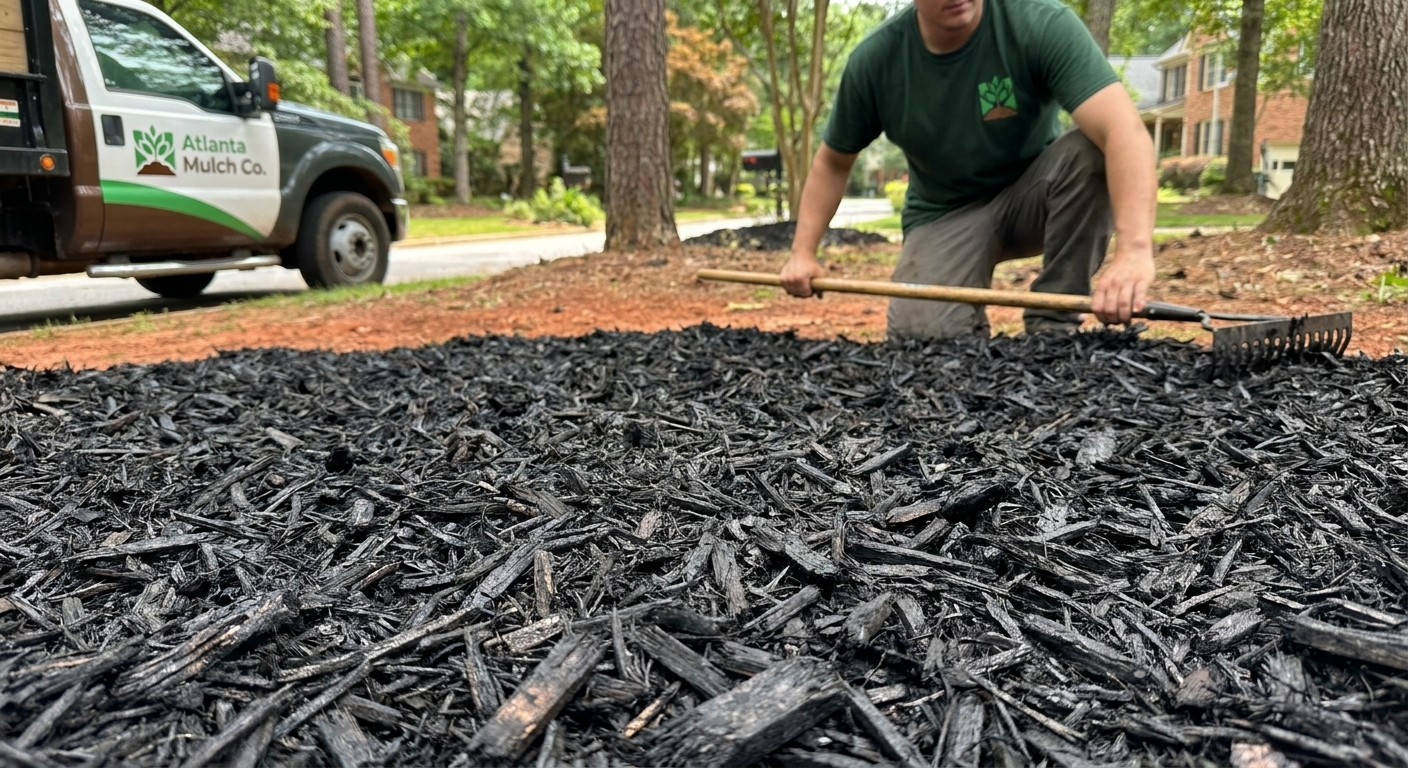
Dyed mulch starts as recycled or reclaimed hardwood, shredded fine, then coated with a colorant in a controlled mixing process before it ever reaches a job site. Reds and browns typically use an iron-oxide-based pigment — the same family of colorant used in red brick and colored concrete stains. Black uses a carbon-based pigment. Both coat the individual wood chips thoroughly rather than being sprayed loosely over the top, which is why a properly dyed load colors evenly all the way through.
This is a completely different process from, and unrelated to, the discontinued chromated-copper-arsenate (CCA) treated pallet-wood mulch practice that raised legitimate safety concerns years ago. That practice has been phased out industry-wide, and none of the dyed mulch we install uses it.
Is it safe for pets, kids and plants?
Yes. Once installed and given a day to dry, properly dyed mulch does not rub off on hands, paws or fur. It is not toxic to pets or children, and it does not alter soil pH or harm plant roots — the dye is a surface coating on the wood chip, not a chemical treatment that leaches into the surrounding soil. Plants growing in dyed mulch beds perform identically to those in natural mulch beds.
Color life: how long each one actually lasts
| Material | Typical color life in Atlanta sun |
|---|---|
| Natural pine bark | 9–12 months (natural weathering, not "fading" per se) |
| Dyed black | 12–14 months |
| Dyed brown | 11–13 months |
| Dyed red | 8–10 months |
Black holds the longest because darker pigments show fade less visibly than lighter ones even as UV exposure breaks down the colorant at a similar rate. Red is the most UV-sensitive and fades fastest, which is worth knowing before committing to it on a bed in full, unshaded sun.
Cost difference
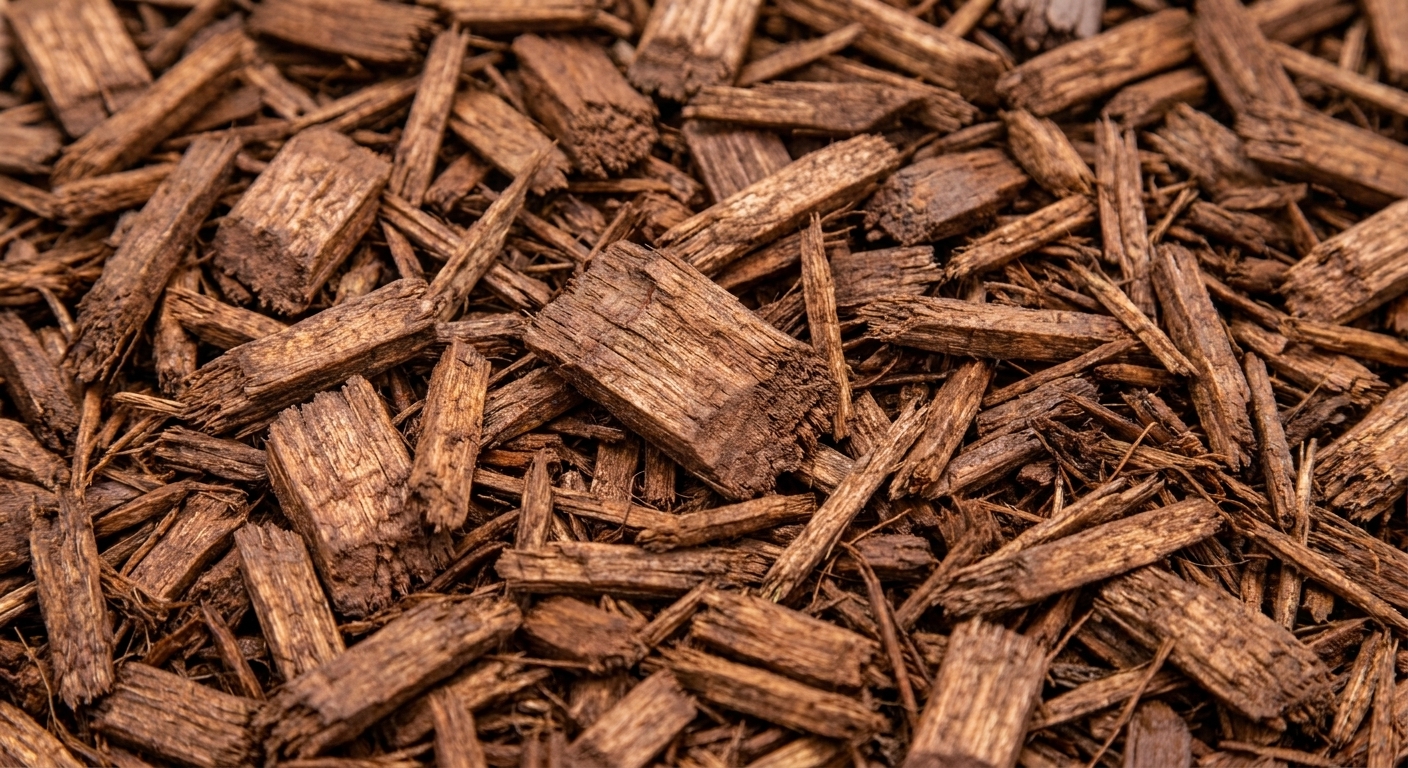
Dyed mulch typically costs $10 to $20 more per cubic yard installed than natural pine bark or hardwood, reflecting the additional colorant material and handling in the dyeing process. See dyed mulch installation for the full color-by-color pricing breakdown.
When natural is the smarter choice
For beds that are not highly visible — side yards, beds behind fencing, areas mainly serving a functional moisture-retention purpose — natural pine bark does the same job for less money, and it will not show a noticeable fade line the way a dyed bed eventually will as color diminishes unevenly.
When dyed is worth the premium
Front entrances, mailbox islands, HOA common areas and anywhere visible from the street or a listing photo are where the uniform, finished look of dyed mulch earns its cost fastest. It is also the more practical choice for properties that want to minimize how often a refresh is needed, given its longer color life compared to natural material.
See our full mulch type comparison for how dyed and natural mulch perform specifically on Georgia's red clay, or call and describe your bed — we will tell you honestly which one fits before you spend a dime.